
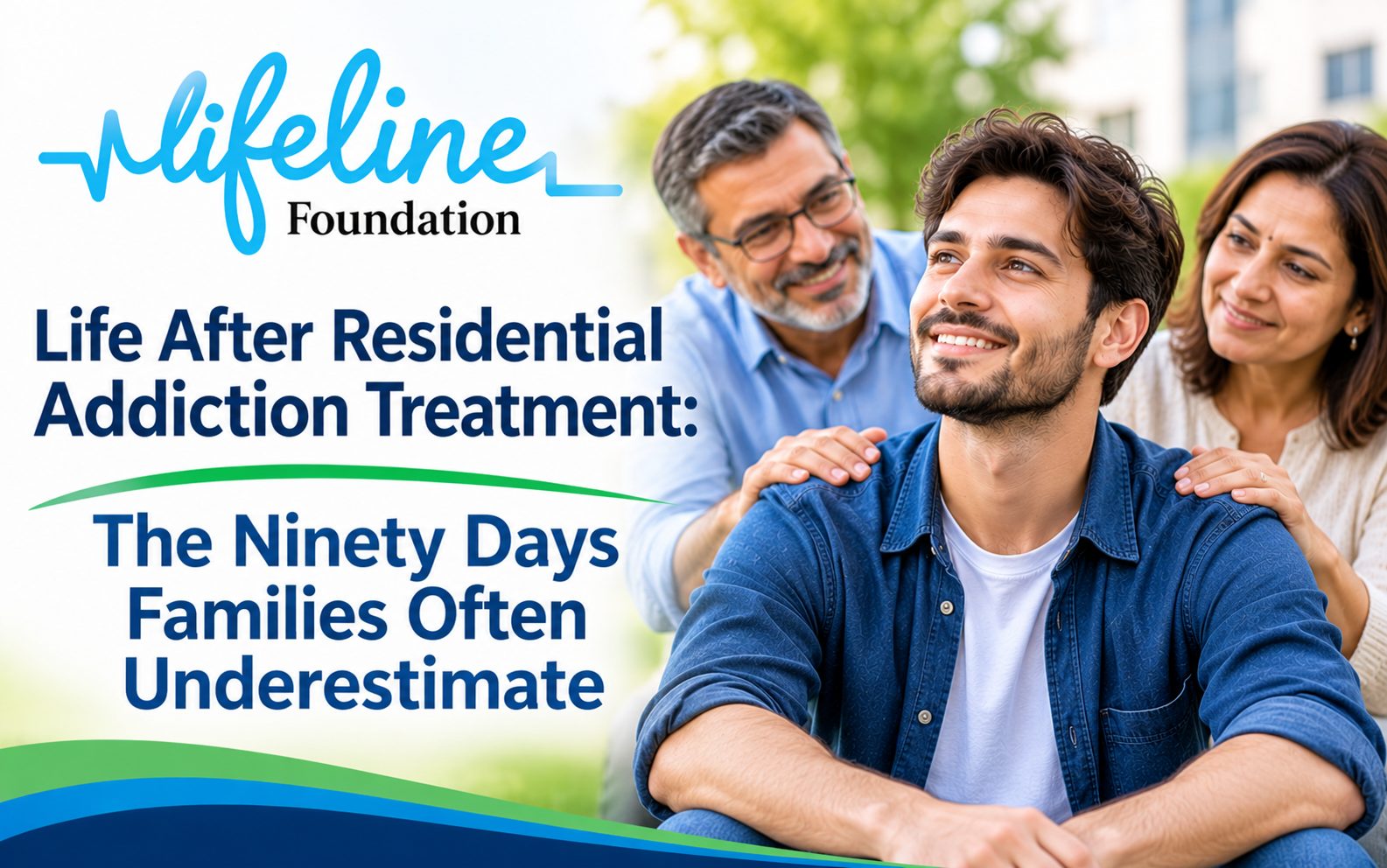
Leaving a treatment facility can bring relief and a surprisingly ordinary set of worries. The refrigerator needs filling. Work messages have accumulated. A child wants to know why a parent was away. Friends begin sending invitations. The person returning home may be eager to prove that everything is back to normal, while relatives quietly watch every movement.
That combination can strain recovery. The first ninety days are not a clinical deadline or a guarantee of anything. They are a useful period for building routines, reviewing care and making everyday life more manageable after a structured stay.
The journey home is not the end of treatment
Before discharge, ask for a written plan. It should identify follow-up appointments, medication arrangements where appropriate, warning signs, who to contact during a crisis and how the person prefers family members to help. A discharge summary that says only “continue counselling” leaves too many questions unanswered.
Treatment can involve psychological care, ongoing medicines for some substance use disorders, peer support and attention to co-existing medical or mental health problems. The WHO–UNODC treatment standards published in 2020 emphasise continuity of care and an approach matched to the individual’s circumstances. The end of a residential stay should not become the end of access to support.
If a patient attended a rehabilitation centre in Pune, discuss where later appointments will take place. A follow-up service near home may be easier to attend consistently than repeated journeys across the city. Convenience matters because a plan that does not fit work, transport and family responsibilities may be difficult to sustain.
Week one at home: keep the schedule modest
Families often prepare a long list of corrections: wake earlier, exercise daily, repay every loan, reconnect with relatives and return to full-time work. Each may be reasonable eventually. Doing everything at once can be exhausting, especially after withdrawal, disrupted sleep or prolonged stress.
Start with essential routines. Confirm medication instructions and appointment dates. Agree on meals, sleep and a manageable level of activity. Ask how the person would like to handle social invitations and sensitive questions. Some people prefer quiet; others want company. Neither preference should be treated as suspicious by itself.
The home may need practical changes. Alcohol stored openly, unprescribed medicines lying around or frequent substance use by visitors can complicate the transition. Discuss adjustments respectfully rather than searching belongings every evening without agreement. Where children or vulnerable adults are at risk, clear household safety rules take priority.
A craving is information, not a verdict
A person may notice cravings on a payday, after an argument, during a late shift or when passing a familiar place. Identifying such situations can help them use coping strategies learned in treatment. The family can ask what response is useful rather than immediately assuming that a craving means use has resumed.
Some warning signs deserve prompt attention: repeated missed appointments, renewed contact with risky situations, worsening depression, unmanageable insomnia or concealed substance use. None proves a particular outcome, but together they justify discussion with a qualified professional.
Make a simple plan before the next difficult evening. Who can the person call? Is there an appointment that can be brought forward? What signs require emergency medical care? For someone with previous opioid dependence, a return to use after reduced tolerance raises overdose risk. These details should be discussed with the treating team, not improvised during a crisis.
Work is important, but recovery is not an attendance contest
Returning to employment can restore structure and income. It can also bring pressure, long commuting hours and unwanted questions from colleagues. Where possible, begin with a realistic workload and keep follow-up appointments protected. A person may choose to share limited health information with an employer; their privacy and applicable workplace requirements should be considered.
For those who work in transport, machinery, healthcare or other safety-sensitive roles, medical advice may be needed about fitness for duty and any medicine that affects alertness. A wish to return quickly should not override safety.
People without jobs may need assistance with applications, skill-building or a predictable daily routine. The absence of employment should not be interpreted as an absence of motivation. Income insecurity can itself make treatment attendance harder.
Repairing trust takes longer than making a promise
Relatives may want passwords, bank statements and full explanations of past events. The returning patient may want everyone to stop asking questions. Both responses can be understood, yet neither creates trust overnight.
Agree on concrete arrangements: how household expenses will be paid, what information is necessary for shared safety, and when difficult conversations will happen. If there has been debt, consider professional financial advice. If there has been violence, the safety of affected family members must come first. Recovery does not require anyone to forgive or reconcile before they are ready.
Children need age-appropriate reassurance without being made responsible for monitoring an adult. A child should not become the family’s detective or the keeper of an adult’s recovery promises.
Month two: check the plan against reality
By the second month, the original discharge plan may no longer fit. Work schedules may change; a support group may be too far away; a medicine may need review. Ask the treating professional what is working and what should be adjusted. There is no shame in increasing support if risk has increased.
For families comparing pune rehabs or local follow-up options, confirm whether the service offers the actual care required: ongoing counselling, medical review or referral when necessary. Do not move between programmes solely because one advertises a shorter course. Continuity of records and a clear handover can matter more than a fresh beginning in a new building.
Month three: notice ordinary progress
Recovery may be visible in ways that do not make an impressive social media story: someone keeps a doctor’s appointment, joins dinner without an argument, sleeps more regularly, takes responsibility for a bill or asks for help before a difficult day becomes dangerous. These are not guarantees, but they are useful signs of engagement.
It is also possible that the person struggles. A return to substance use calls for a safety check and reassessment rather than immediate public blame. Treatment can be adjusted, and family boundaries can remain firm. The aim is to recognise problems early enough to respond.
The strongest aftercare plans are not the longest documents. They are plans the person understands, agrees to and can actually use. Ninety days may provide time to test those arrangements. Continuing recovery is likely to require attention well beyond them.
Aftercare needs differ between patients; review medicines and follow-up plans with qualified professionals. These suggestions are not medical advice. For suspected overdose, severe withdrawal or immediate danger, seek emergency assistance.