
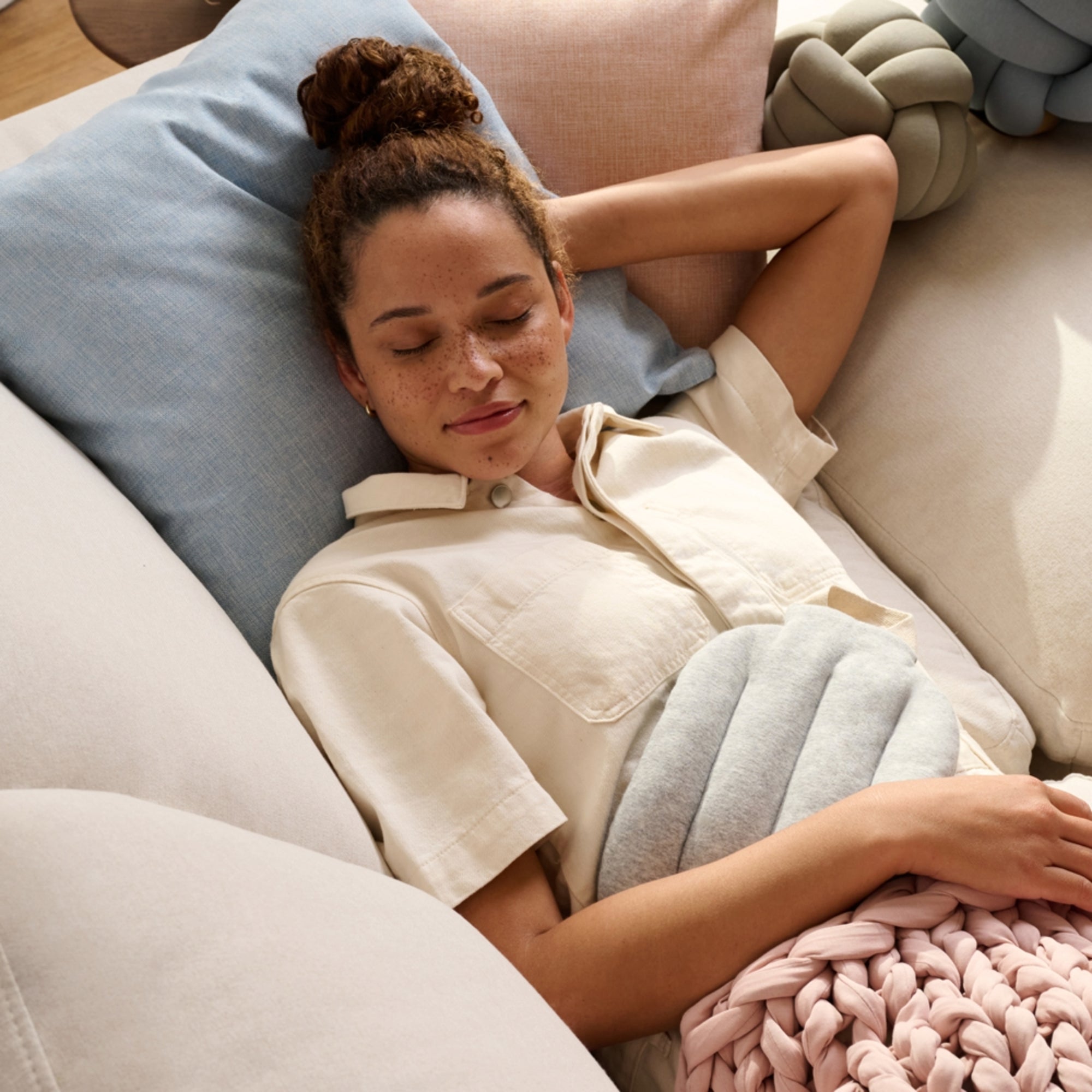
Menstrual cramps, muscle soreness, and abdominal discomfort are common ailments many people endure monthly or occasionally. Among the most accessible and natural remedies to manage these symptoms is heat therapy, particularly using a heating pad. A thermal pad’s warmth helps expand blood vessels, encouraging better blood flow. This improved circulation helps deliver oxygen and nutrients to sore muscles and tissue, accelerating healing and reducing pain signals.
A heating pad for cramps is explicitly designed to target areas like the lower abdomen or back during menstruation. The consistent heat helps relax uterine muscles, often the source of menstrual pain. It also lowers the transmission of pain signals to the brain, making the discomfort more manageable. When used correctly, a heat pack can provide soothing relief, improve circulation, and reduce muscle tension without side effects.
Using a thermal pad is often considered a natural period pain relief device and is favored by individuals who want to avoid or reduce medication intake. It is also highly portable, reusable, and can be used at home, work, or even during travel. Safe and effective use is crucial to ensure comfort and prevent potential skin injuries.
Types of Heating Pads You Can Use
Before diving into usage instructions, it’s essential to understand the different types available:
Electric Heat Pads: Plug into an outlet and often have adjustable heat settings and auto shut-off features.
Microwavable Heat Pads: Filled with rice, wheat, or gel, these are heated in a microwave and retain heat for a short period.
Chemical Heat Packs: Single-use or reusable packs that activate when shaken or squeezed.
Infrared Heat Pads: Use far-infrared heat to penetrate deeper into tissues, often used for chronic pain management.
Consider size, safety certifications, and automatic shut-off options when selecting a pad. Electric models with safety features are ideal for use frequently or during sleep.
Ideal Application Areas for Cramp Relief
Heat pads are versatile and can be applied to various parts of the body depending on the type of cramp or pain:
Lower Abdomen: For menstrual cramps and gastrointestinal discomfort.
Lower Back: For lumbar muscle tightness, which is often accompanied by menstrual cramps.
Upper Thighs or Hips: To relax the radiating pain that sometimes comes with period discomfort.
Abdominal Area After Exercise: For general abdominal muscle cramps or spasms.
Applying the heat directly to the pain point can bring faster and more effective relief.
Safe Usage Tips for Maximum Relief
To make the most of your thermal pad while ensuring safety, follow these guidelines:
- Never apply heat for more than 20–30 minutes at a time. Prolonged use can lead to burns or skin irritation.
- Always use a protective layer between your skin and the pad, such as a cloth or towel, to prevent direct contact.
- Do not fall asleep while the heat pack is on, unless it has an auto shut-off timer.
- Avoid using it on broken or inflamed skin; do not use it over topical creams or ointments that can increase skin sensitivity.
- Stay hydrated, as heat can cause slight dehydration if used frequently.
These basic precautions ensure that your therapy session is both healing and hazard-free.
When and How Often to Use the Thermal Pad
Timing your heat sessions correctly is as important as using the correct device. For menstrual cramps, the first day of your period is typically the most painful, and applying heat as soon as discomfort begins is beneficial. You can use it multiple times a day, spaced out in intervals, depending on the severity of the pain.
For muscle cramps, such as those after physical activity, wait at least 24 hours after the initial injury (when swelling is present) before applying heat. Ice is recommended initially to reduce inflammation, followed by heat after the swelling subsides.
A typical routine may include:
- 20–30 minutes of heat application
- A 2–3 hour break
- Repeating up to 3–4 times daily if needed
Always assess your comfort level and skin condition between sessions.
Cleaning and Maintaining Your Heating Pad
To ensure your heat pack remains effective and safe over time, proper cleaning and maintenance are essential:
- Read the manufacturer’s instructions before cleaning.
- For electric pads, remove the cord and controller before cleaning. Most models have a washable cover or fabric layer that can be machine-washed.
- For microwavable pads, avoid water unless stated. Spot clean using a damp cloth and allow it to air dry completely.
- Store your pad in a dry, cool place, away from moisture and direct sunlight.
- Inspect wires and surfaces regularly for damage. Discontinue use if the heating element seems faulty or the material is fraying.
Proper care extends the life of your heating pad and ensures it performs optimally during every use.
Who Should Avoid Heating Pads?
While these pads are generally safe, they may not suit everyone. Consult your healthcare provider if you fall into any of the following categories:
Pregnant Individuals: Excess heat on the abdomen is not recommended.
People with Diabetes: Reduced skin sensitivity can lead to unnoticed burns.
Those with Poor Circulation or Vascular Conditions: Heat can exacerbate these problems.
Individuals using Certain Medications: Some drugs can increase skin sensitivity or reduce the body’s ability to regulate heat.
It’s always a good idea to err on the side of caution and seek professional advice if you’re unsure whether heat therapy is right for you.
Making Heat Therapy Work for You
A warm compress is a simple yet powerful tool to combat the discomfort caused by cramps, especially menstrual cramps and abdominal pain. When used properly, it offers a drug-free way to relax muscles, reduce spasms, and promote better circulation. From selecting the right type of heating pad to understanding when and how to use it, safety and awareness are key to experiencing its full benefits.
By incorporating heat therapy into your pain relief routine and following the best practices outlined above, you can take proactive steps toward better comfort and wellness, naturally and effectively.