
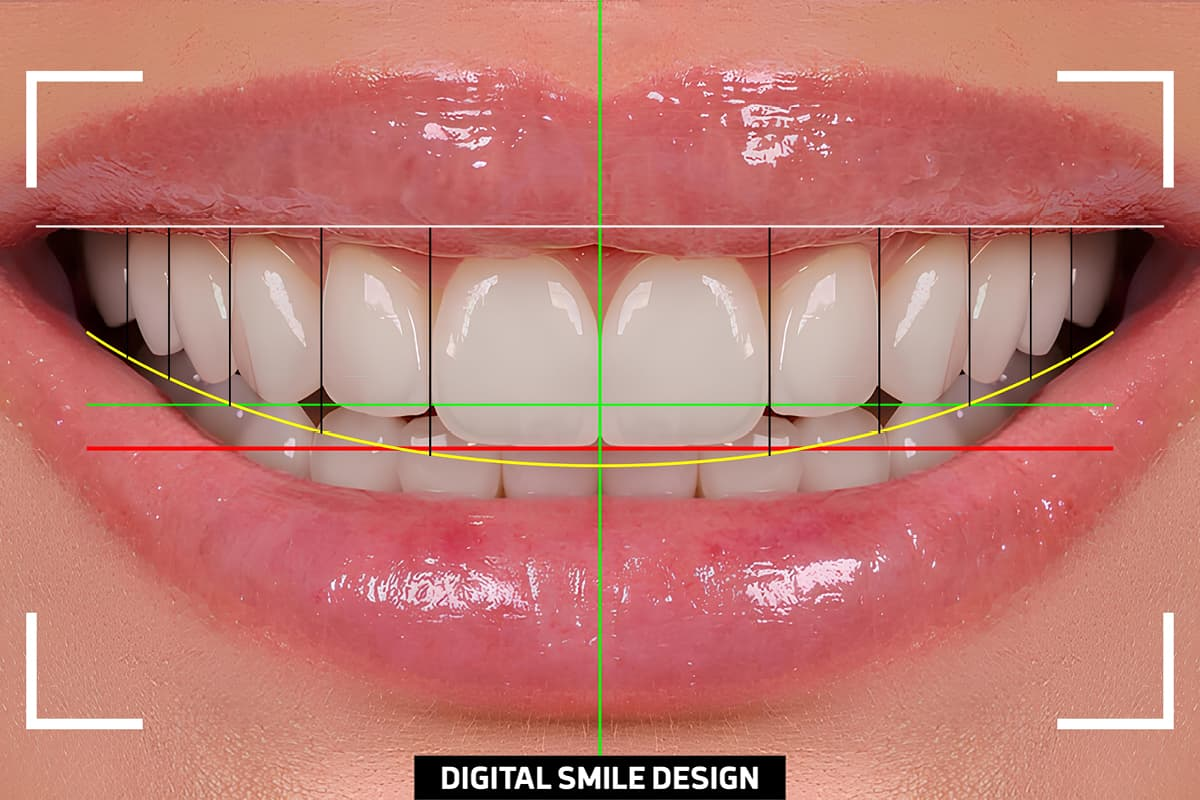

In today’s world, a confident smile can influence how others perceive you and how you feel about yourself. Whether walking into a job interview, attending a social event, or taking photos with loved ones, your smile plays a key role in presenting yourself. Cosmetic dentistry has evolved to meet this demand, with smile design at the forefront of transformation. And thanks to digital imaging, patients now have a more accurate, comfortable, and collaborative way to achieve the smile they’ve always wanted.
A significant part of this shift is due to the growing popularity of smile design dentistry, which combines aesthetics with advanced planning to create natural-looking, harmonious results. Digital imaging has made it possible to move from uncertain outcomes to clear, predictable, and personalized results, making the entire experience far more engaging and reassuring for patients.
Finding the right provider is just as important. An experienced dentist in Lake Mary FL, who offers digital smile design will have the technology in place and the training and artistic sense to use it to your advantage. Their approach goes beyond surface-level improvements to ensure every tooth is designed with intention and care.
Understanding Digital Imaging in Dentistry
Digital imaging involves using high-resolution tools like intraoral scanners, 3D facial mapping, and digital cameras to capture every detail of a patient’s dental and facial structure. These images serve as a foundation for designing a smile that fits naturally with the individual’s unique features.
This process eliminates the need for traditional, messy impressions. It gives the dentist and the patient a comprehensive view of what’s happening inside the mouth—and how it can be enhanced. It’s quick, non-invasive, and exact.
By analyzing everything from tooth shape and position to the movement of your lips when you smile, digital imaging ensures that every detail is considered in the final design. This makes it possible to plan cosmetic treatments that aren’t just aesthetically pleasing, but also functional and long-lasting.
How Digital Imaging Enhances the Smile Design Process
Before digital tools became widely accessible in dental practices, cosmetic procedures often involved some guesswork. Patients would describe what they wanted, dentists would draw from experience, and the outcome would depend heavily on communication, imagination, and trial-and-error.
Now, digital imaging brings clarity to every step:
- Dentists can use software to simulate how your smile will look after treatment.
- You can preview your new smile, suggest adjustments, and approve the look before anything begins.
- Treatment becomes faster and more efficient because everything is planned.
This transformation doesn’t just save time, it boosts confidence. Patients know what to expect, dentists work more precisely, and the process becomes more collaborative and transparent.
What the Smile Design Journey Looks Like with Digital Imaging
The workflow of digital smile design is thoughtfully structured. Here’s how most treatments unfold:
Digital Capture: The dentist collects digital impressions using intraoral scanners, full-face photographs, or 3D facial scans. These visuals allow for a deeper analysis of how your teeth interact with your overall appearance.
Analysis and Planning: The dentist uses specialized software to evaluate everything from bite alignment and tooth proportions to gum shape and facial symmetry. A custom smile design is created based on your input and clinical findings.
Digital Preview: This is often the most exciting part for patients. You’ll be shown a simulation of your future smile on screen, showing exactly how it looks and fits with your face.
Mock-Up and Adjustments: A temporary version of the smile (a mock-up) is sometimes created. This allows you to try on the new smile in real life and request changes before moving forward.
Treatment Execution: Once the plan is finalized, the actual treatment begins, whether it includes veneers, crowns, bonding, or whitening. The digital model guides the entire process for optimal accuracy and aesthetics.
Why Patients Prefer Digital Imaging
Digital imaging is a win-win for both patients and dental professionals. It addresses many concerns that previously made people hesitant about cosmetic dental procedures.
Here are some of the key benefits for patients:
Clarity: No more uncertainty. You know precisely what your smile will look like before treatment starts.
Speed: Appointments are shorter and more productive because much of the design is handled digitally.
Personalization: Your smile is designed for your facial features, lifestyle, and goals.
Comfort: No messy molds or uncomfortable trays—just fast, accurate scans.
Confidence: You’re actively involved in the design process, which increases satisfaction and peace of mind.
Tools and Technologies That Power Smile Design
Behind every successful digital smile makeover is a suite of advanced tools. While equipment may vary depending on the dental office, some of the most widely used technologies include:
Intraoral Scanners: These hand-held devices capture exact digital impressions of your teeth and gums.
Digital Smile Design Software: Programs like DSD allow dentists to plan, analyze, and simulate smile transformations.
3D Facial Scanners: These add facial symmetry and expressions to the design process, ensuring the smile fits naturally.
CAD/CAM Systems: Used to craft crowns, veneers, or other restorations directly from the digital model for high precision.
Improved Communication Through Visualization
One of the most empowering changes digital imaging has brought is how it enhances patient-dentist communication. In the past, patients had to rely on descriptions and trust that their dentist understood their imagination. Now, transparent digital visuals bridge that gap.
With simulations and 3D mock-ups, you can provide direct feedback, ask questions, and make decisions based on real visuals instead of guesswork. This leads to better outcomes and a smoother, more collaborative journey from consultation to completion.
It also allows dentists to explain the reasoning behind confident design choices, helping patients understand how shape, size, and color create balance and beauty in a smile.
What You Should Consider Before Starting
While digital imaging makes the smile design process more reliable, it’s still important to approach it with the right expectations. Here are a few things to keep in mind:
Technology is a Tool, Not a Replacement for Expertise. Choose a dentist who uses digital imaging and has experience in cosmetic design.
Not Every Smile Needs a Complete Makeover. Sometimes, subtle changes using digital guidance can make a big difference.
Results Still Depend on Dental Health. Issues like decay or gum disease may need to be addressed before cosmetic work can begin.
Customization Matters. Be clear about your goals and work with a dentist who involves you in every step.
A thoughtful, tech-assisted approach leads to better decisions, better results, and a smile that reflects you.
Shaping the Future of Cosmetic Dentistry
Integrating digital imaging into smile design has set a new standard in cosmetic dentistry. It offers a blend of science, technology, and creativity that transforms how treatments are performed and how patients experience them.
More than just a tool, digital imaging is now a foundation for better planning, better communication, and better smiles. If you’re considering cosmetic dental work, learning about these advancements can help you make informed, confident choices that align with your vision for your smile.
A healthy, well-designed smile doesn’t just change your appearance, but it changes how you feel, speak, and connect with the world.